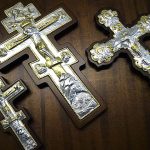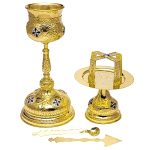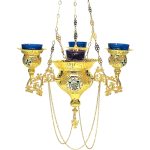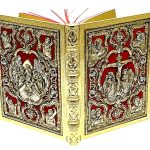

In the Byzantine world, all artistic forms – buildings, mosaics, ancient greek wall frescoes, icons, vessels and priestly vestments embody the symbolism of Byzantine art as an an integral part of the worship that aims to elevate the soul of the believer to heaven. All this has a complex symbolism, according to which the narthex, intended for catechists and penitents, represents the earth. The nave, reserved for adult believers, represents the visible heaven.
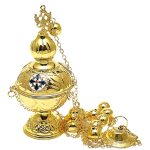
The sanctuary, reserved for the priests, presents the realm of the pure spirit. The altar as a symbolism of byzantine art symbolizes the throne of God, the candlestick of the altar symbolizes the stars and finally the incense reminds us of the breath of the Holy Spirit. According to Byzantine symbolism, the church also represents the site of Christ’s Passion and Resurrection. The liturgy and rituals renew the drama of the divine sacrifice and recall the Mystery of the Resurrection, hence the special iconographic significance of the scene of the Crucifixion and the Resurrection.
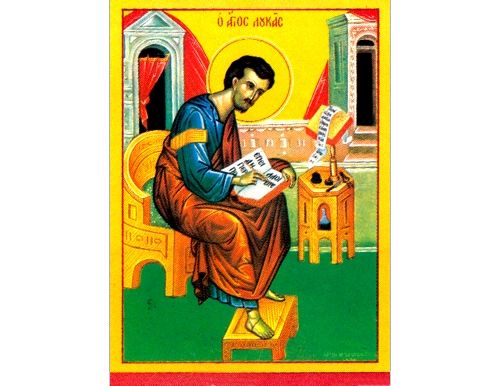
The union of the ritual with the image is profound in every symbolism of Byzantine art. The iconography really conforms to the liturgy: it translates the words of the Gospel text into images and graphically expresses the feelings caused in the spirit of the faithful by the ritual procedures. Worship is the main link between the earth and the beyond. Iconography, as an integral part of worship, completes the same work.
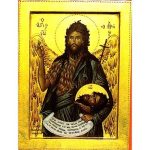
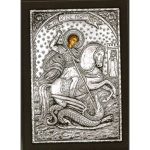
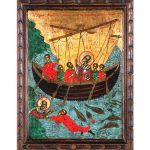
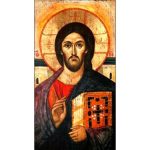
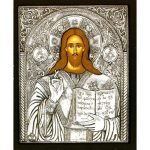
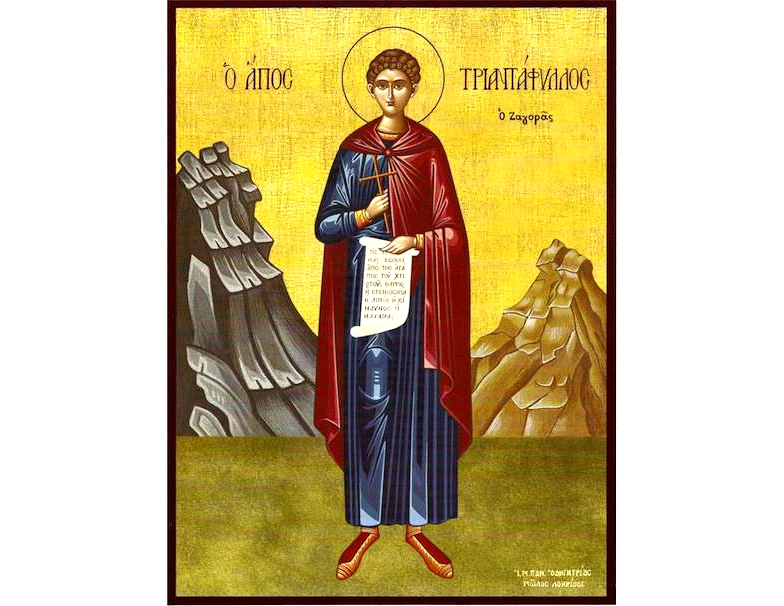
Byzantine iconography is the depiction of ideal prototypes of phenomena. As such, it is characterized by great stability and leaves no room for creativity. The pictorial standards have undergone only minor modifications over the centuries and have retained the stamp of their ideal archetypes. The subjects obey a traditional and unchanging order, which demands that every scene of the Old and New Testament, every hagiographic narrative and every saint to occupy a precise position, which is not arbitrary but determined by the close relations with the liturgy. Greek orthodox icons are one of the best ways to understand the religious symbolism of Byzantine art.
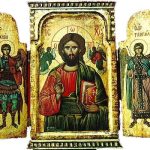
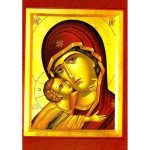
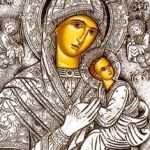
The symbolism of Byzantine art extends to the depiction of Christ Pantokrator in the central dome, surrounded by angels, apostles, and prophets, symbolizing His dominion over the universe. The positioning of Theotokos, saints, and the depiction of church feasts throughout the church’s architecture further emphasizes the symbolism of Byzantine art by establishing a hierarchical and thematic order that reflects the celestial hierarchy and the narrative of salvation. The structure of the arch is closely related to Pantokrator and shows the Virgin Mary majestic with the Infant on her knees. Theotokos, the mother of God, who occupies the second position in the celestial hierarchy, is also in a dominant position.
She is surrounded by the archangels Michael and Gabriel, while the Divine Liturgy, the Patriarchs and the Fathers of the Church are represented at the bottom of the arch. The Feasts of the Church are depicted on the side arches and on the upper sides of the archways of the sanctuary and the aisle. The miracles and parables of Christ are developed on the middle sides of the architraves, while the holy ascetics and warriors on the lower sides. These humble martyrs, as representatives, founders, and builders of the earthly church, have been purposely placed along the lower part. Thus, the earthly church acquires a relationship with the Christ of the dome and leader of the heavenly Church, through the mediation of the Virgin Mary, the Apostles, the Evangelists and the Saints. These type of symbolism in byzantine art were common!
No account yet?
Create an Account