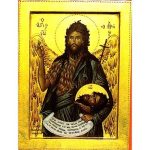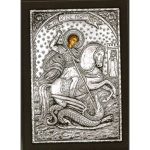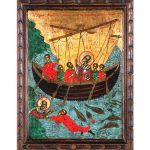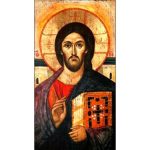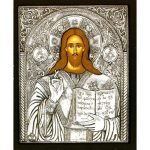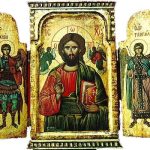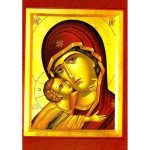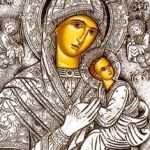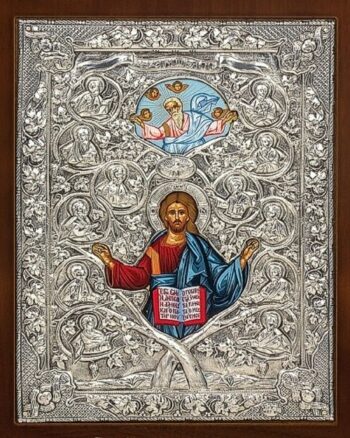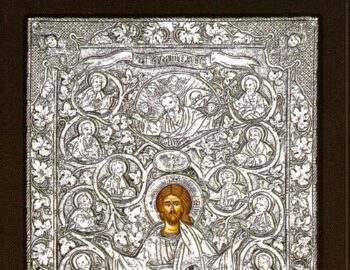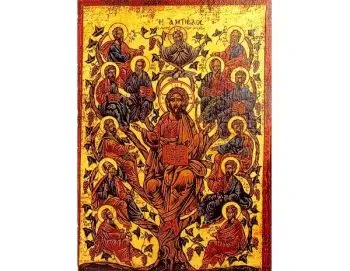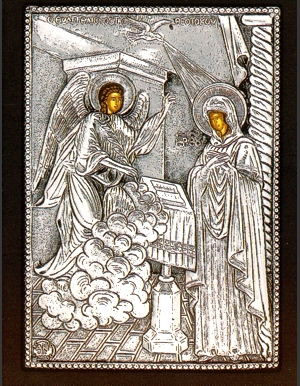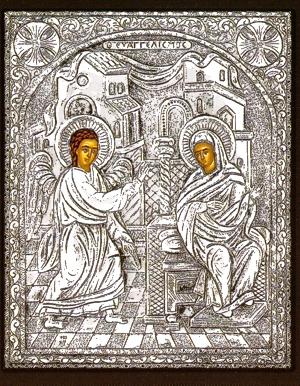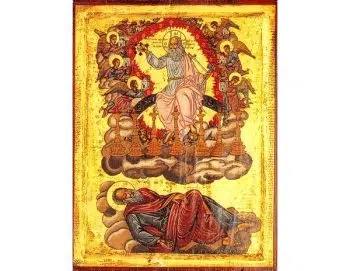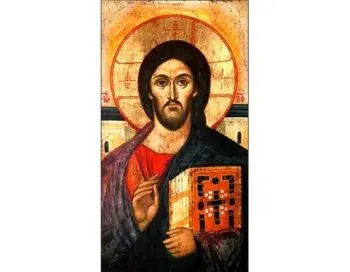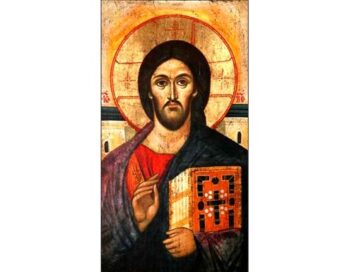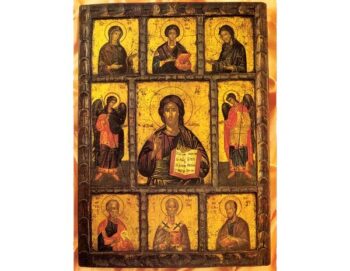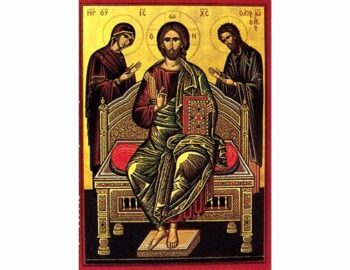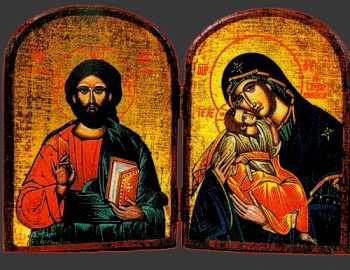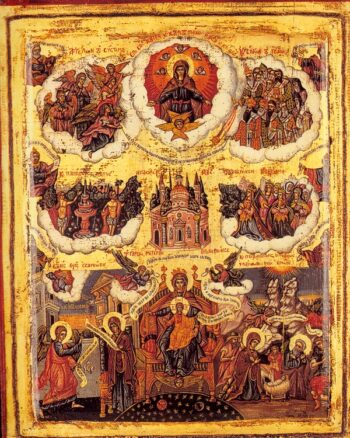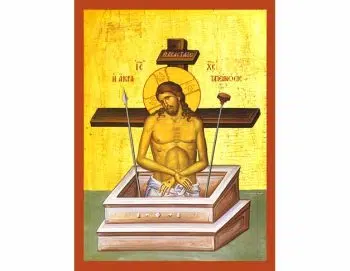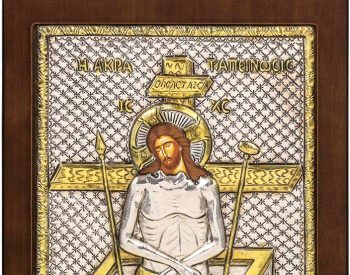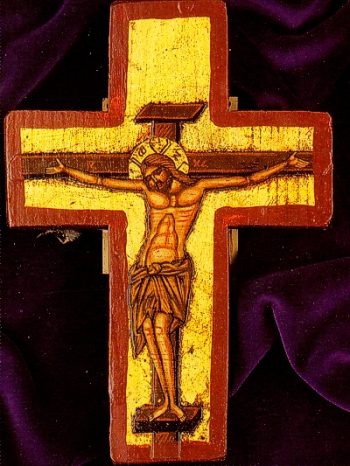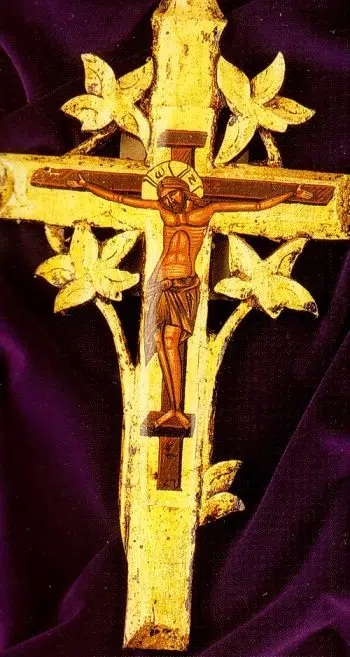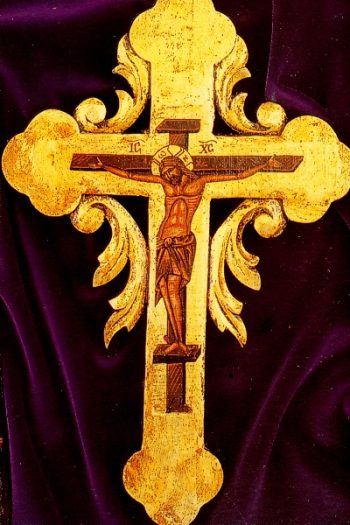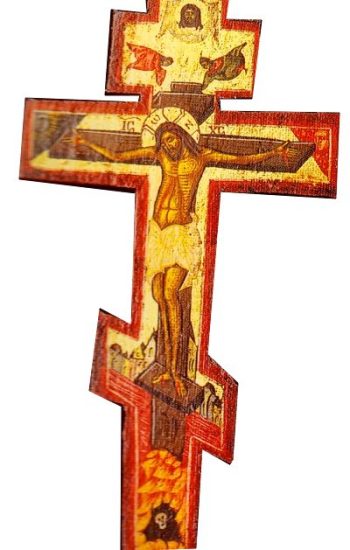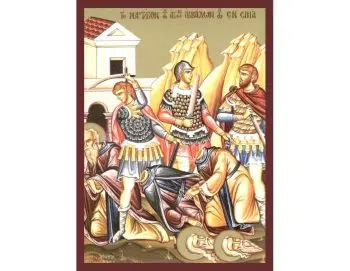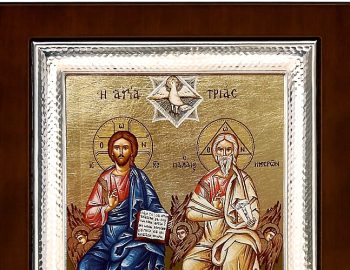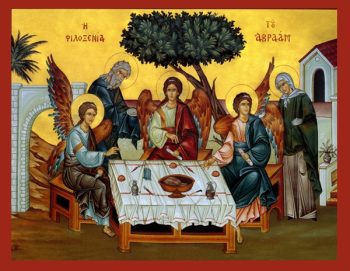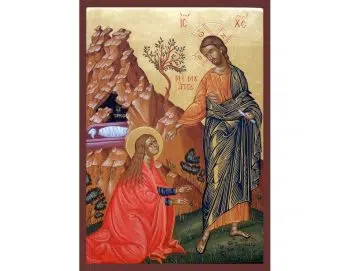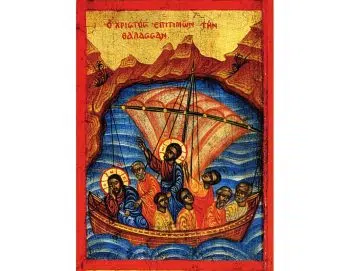

When talking about Greek Orthodox Icons, the term icon means the sacred painting created on a movable frame, mostly wooden. Before the colors are applied, the frame is carefully prepared with a background of chalk or alabaster dust.
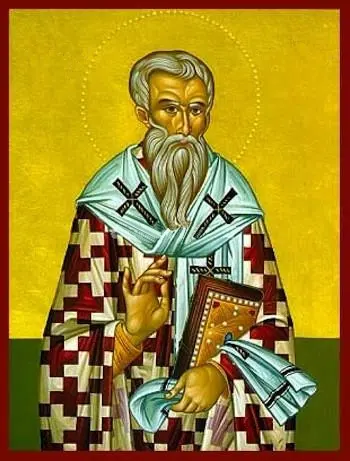
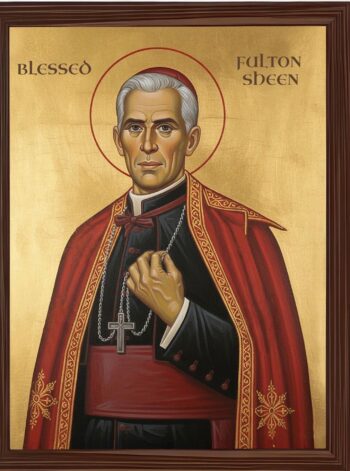
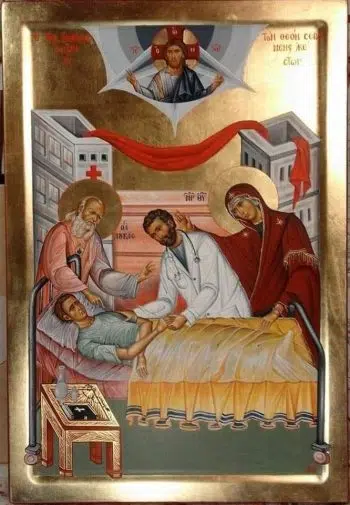
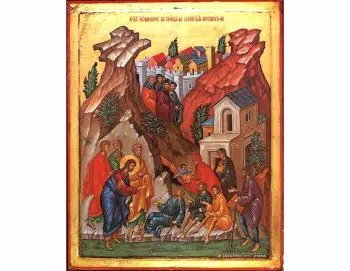
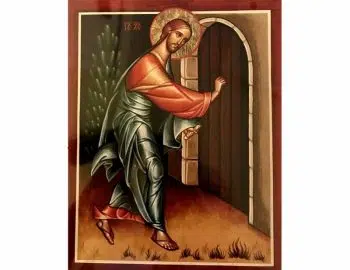
In Greek orthodox icons, the depicted subjects are like those of the frescoes and include Christ, the Virgin, the Apostles, the Evangelists, the saints, the martyrs, the ascetics, the bishops, without omitting the most important scenes from the Old and the New Testament. Among them there are mainly themes of the Byzantine liturgical year which include miracles, the life, passion and Resurrection of Christ, the lives of saints and martyrs and finally, compositions of theological inspiration.
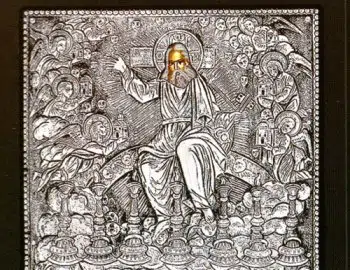
According to the Greek Orthodox Church, orthodox icons, like the silver saint icons, express the holiness and spiritual power of the persons they depict and elevate the one who looks at them to the archetypes of the holy images they represent: Christ, the Virgin and the Saints. These holy icons, by virtue of their sanctity, transmit grace and power to those who gaze upon them.
There are also so-called "miracle-working" orthodox depictions which are especially numerous on Mt. Athos icons. and which, according to tradition, are capable of performing miracles.
The orthodox icons present mainly a less specific and "historical" character than the wall paintings, whether they are frescoes or mosaics. While the latter do depict biblical or hagiographic scenes, the orthodox icons are exclusively or almost exclusively cultic, endowed and almost representative of a supernatural power.
Consequently, the icon painter, conscious of the sacred character of his art, tends to attach less importance to the reality of phenomena and nature than the fresco painter. They give less importance to anatomy and assign to colors a symbolic meaning more than the representative content of the represented objects.
What we call "inverted perspective", which was adopted by Byzantine painting, also contributes to assure the "presence" of the holy form being reproduced in orthodox icons. This is a perspective whose structure is the reverse of linear perspective: the lines of escape instead of meeting at a point behind the image, meet at a point in front, so that space develops from within of the image itself in the direction of the observer. The image depicted in orthodox icons is therefore not a window to the world,a pole of attraction for the one who looks at it.
A striking example of the icon of this period is offered to us in Mt. Athos by the icon of Panagia Odegetria of Chilandari, which dates back to the end of the 12th century. We find the same technical and functional features again in the icon of St. Nikolaos of the Stavronikita monastery, although it may be from a more recent era, possibly at the end of the 13th or the beginning of the 14th century.
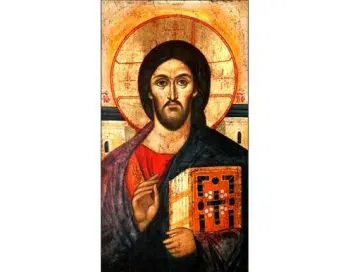
Other representative examples of this 14th century iconographic technique preserved on Mount Athos are the Christ Pantokrator of Esphigmenou Monastery, the Crucifixion, the icon of Saint Anne of Vatopedi and Saint John the Baptist in the Great Lavra. The icon of Saint John Chrysostom, which is now part of the Dumbarton Oaks collection in Washington, also comes from Mt. Athos, specifically from Vatopedi.
Orthodox icons can be classified into two categories: "portable" and "iconostasis". These so-called "portables" are images of worship intended to be displayed inside churches and chapels or in litanies. Those called the "iconostasis" are very special icons of worship, intended for the decoration of the iconostasis, this mainly wooden partition that separates the temple from the sanctuary.
Some monasteries on Mt. Athos proudly keep orthodox icons that is said that they were "not made by human hands" but miraculously sent by God or by the Virgin Mary. Among them, some are attributed to the Evangelist Luke, who according to tradition had painted over 70 orthodox icons. However, a full scientific analysis of the painting heritage of Mt. Athos has not yet been done, due to the inaccessible nature of the "miraculous" orthodox icons zealously guarded by the monks.
Today the Greek Orthodox painting tradition is very much alive. It is expressed in numerous workshops, where hagiographers (painters of saints) have dedicated themselves to the production of holy orthodox icons, perpetuating the style and technique of old painters.
To see more examples of Jesus Orthodox Icons, Mary, and the Saints, feel free to head over to our hand-painted Greek Orthodox MT. Athos Collection!
Find the best way to celebrate your believes with handcrafted greek icons for sale! The greek art shop of Hellenic Art is the best way to pay an attribute to Ancient Greece and its long history.
Icons in the Greek Orthodox Church are an integral part of Greek Orthodox worship and tradition. They are visual representations of sacred figures, events, and teachings. They are considered "windows to heaven," helping believers connect with the divine and reflect on their faith. They are carefully crafted according to traditional guidelines.
Icons include images of Jesus Christ, the Virgin Mary, angels, saints, and key events from the Bible and the lives of saints, such as the Resurrection and the Nativity. Each icon carries spiritual and theological significance.They are used in churches and homes to aid prayer and serve as a reminder of the spiritual presence of Christ, the Virgin Mary, saints, and angels.
Icons are traditionally painted using the egg tempera technique on wood panels. The process includes prayerful preparation, meticulous layering of colors, and gold leaf application to symbolize divine light.
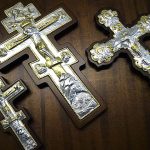
The cross is the primary symbol of the Greek Orthodox Church, often depicted with the ICXC (Jesus Christ) inscription. Another important symbol is the iconostasis in churches. The iconostasis is the wall of icons in an Orthodox Church. It separates the altar from the nave and features prominent icons of Christ, the Virgin Mary, and saints.
The oldest surviving icons date back to the 6th century, such as those preserved at St. Catherine's Monastery on Mount Sinai. These include early depictions of Christ and the Virgin Mary.
Icons are typically hung in churches on the iconostasis (a wall separating the altar from the nave) or in homes at an icon corner, which serves as a sacred space for prayer.Icons are placed in a church on the iconostasis or in homes at an icon corner, often on a clean, quiet wall where prayer takes place. They are traditionally placed on an eastern-facing wall, symbolizing the direction of Christ's Second Coming and the rising sun, which represents new life.
When approaching icons, believers often bow, make the sign of the cross, and kiss the icon. Reverence and respectful behavior are key, such as not touching or mishandling the icon. Kissing icons is an expression of reverence and love for the person or event depicted. It is a physical act of devotion and connection to the sacred.
No account yet?
Create an Account