
Mount Athos icons represent one of the most revered and influential expressions of Eastern Orthodox Christian art. Deeply rooted in the monastic spirituality and theological principles of the Holy Mountain, these icons embody centuries of sacred tradition. Mount Athos, an autonomous monastic state in northern Greece, has been a center of Orthodox monasticism for over a thousand years.
The iconographic tradition of Mount Athos icons is known for its spiritual depth, strict adherence to ancient forms, and profound theological symbolism. This tradition plays a vital role in the preservation and ongoing development of Orthodox iconography, serving as a bridge between the divine and the faithful
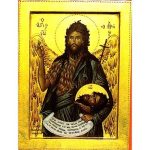
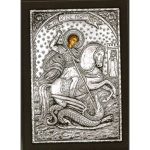
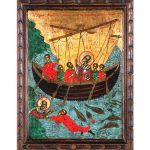
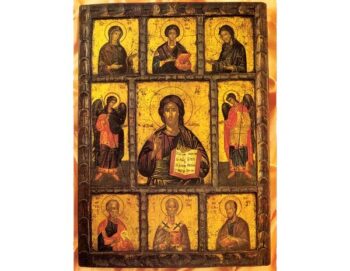
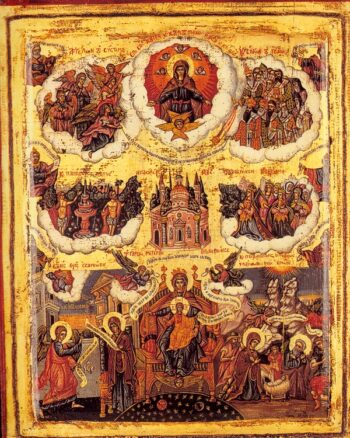
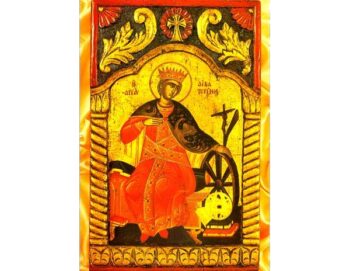
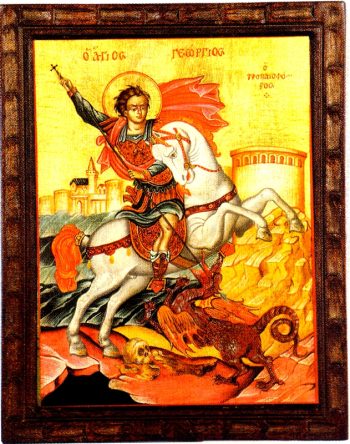
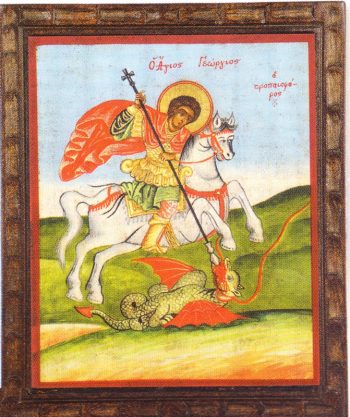
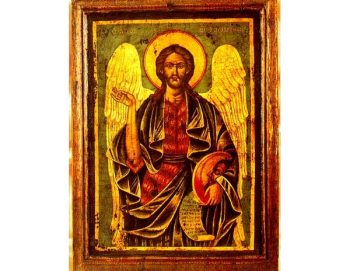
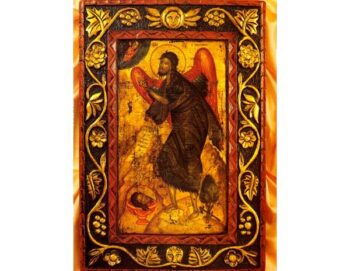
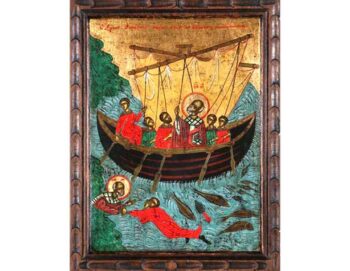
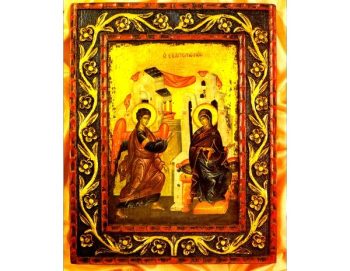
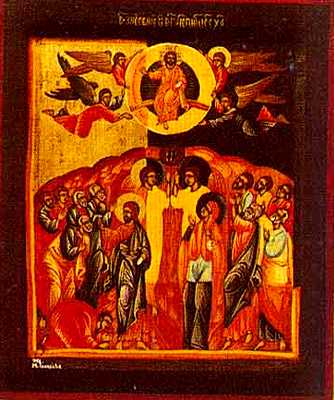
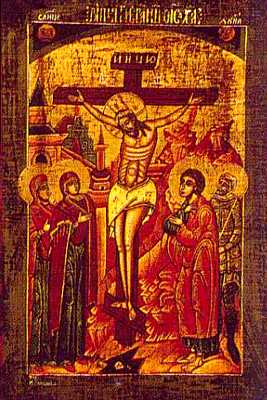
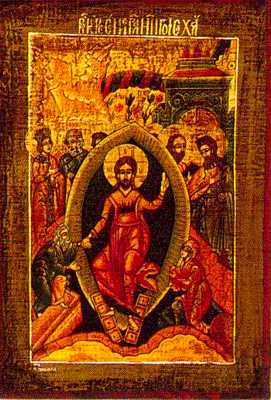
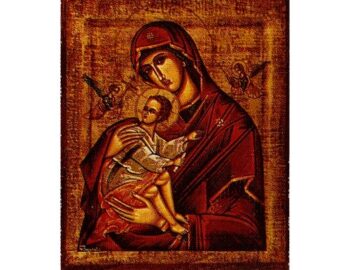
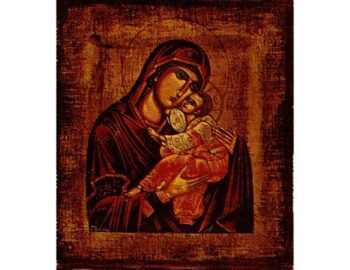
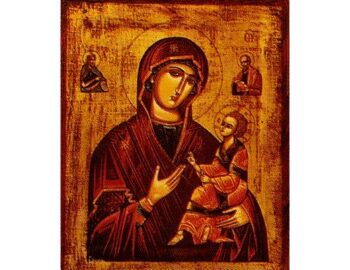
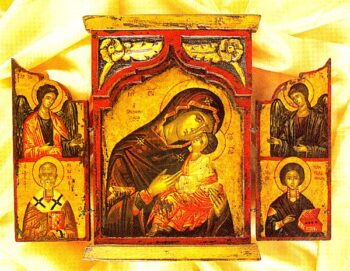
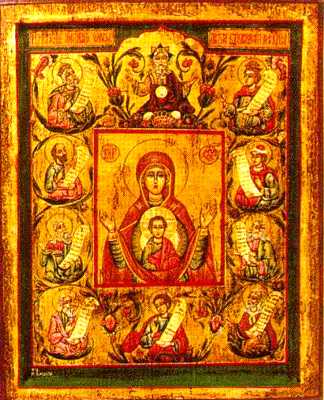
Mount Athos icons are a central part of Orthodox Christian art, embodying the spiritual depth and traditions of the Holy Mountain. Crafted within ancient monasteries such as Koutloumousiou and Vatopedi, these icons portray various holy figures, including Saint John, Saint Panteleimon, and the Virgin Mary (Lady Theotokos), capturing their divine essence and virtues. The icons often depict scenes from the lives of the saints, the First Ecumenical Council, and miracles performed by Christ and His disciples.
The primary purpose of icons in the Athonite tradition is not to be mere religious art but to serve as "windows into heaven"—spiritual tools that facilitate communion with the divine. Icons on Mount Athos are deeply connected to Orthodox theology, reflecting the Incarnation of Christ and the Church’s mystical experience of the divine. They are meant to express the presence of the holy in the visible world.
Icons are seen as an integral part of worship, not only for personal devotion but also in communal liturgical settings. The theology of icons on Mount Athos stresses that the icon is a means of grace, a channel through which the faithful can encounter God and the saints.
Athonite icons are strictly governed by the traditional rules (canons) of Byzantine iconography. These rules, established over centuries, emphasize the symbolic nature of the images rather than naturalism or realism. The strict adherence to traditional forms ensures the preservation of Orthodox theological principles, and any innovation is done with great caution to avoid distorting these teachings.
Hieratic Style: The Athonite iconographic style is characterized by a highly stylized, formal approach, often referred to as the "hieratic" or "sacred" style. This involves abstract, elongated figures, minimal emotions, and flattened perspectives, which are intended to convey the spiritual, rather than earthly, reality of the saints and events depicted.
Use of Symbolism: Athonite icons are rich in symbolic detail. Every color, gesture, and object has theological meaning. For example, gold backgrounds symbolize the divine light, while the position of the hands, eyes, and bodies conveys spiritual realities such as humility, prayer, or divine authority.
Mount Athos has produced some of the most venerated and well-known types of Orthodox icons. Several miraculous icons are associated with specific monasteries on the Holy Mountain, and these have influenced Orthodox iconography across the world. Notable examples include:
Theotokos "Axion Estin": This famous icon of the Virgin Mary, housed at the Protaton Church in Karyes, is particularly revered on Mount Athos. According to tradition, the Archangel Gabriel himself sang the hymn "It is truly meet to bless thee, O Theotokos" before this icon. The Theotokos in this icon is depicted as the protector and intercessor for the monks and the entire Orthodox Church.
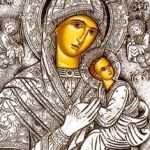
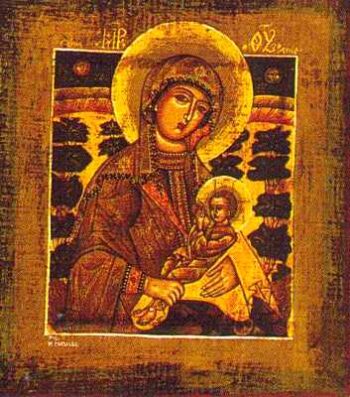
Theotokos "Portaitissa": Located at Iviron Monastery, this icon of the Virgin Mary, known as the "Gatekeeper," is considered highly miraculous. It is often depicted with Mary holding Christ and both of them gazing outward, signifying protection over the monastery.
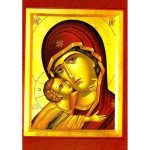
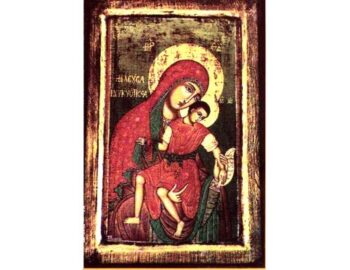
Theotokos "Glykophilousa" : This icon, known as "Sweet-Kissing," depicts the tender embrace between the Virgin Mary and the Christ Child. It is housed at the Philotheou Monastery and represents the tender, compassionate relationship between the Mother of God and her Son.
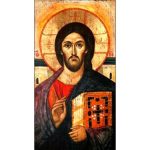
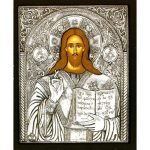
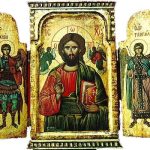
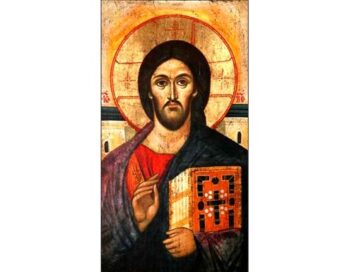
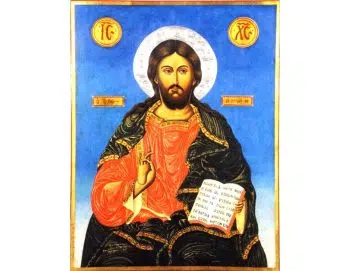
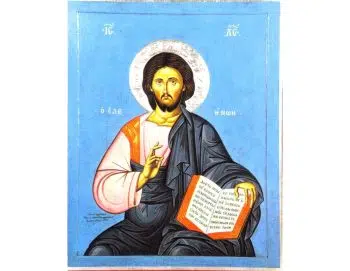
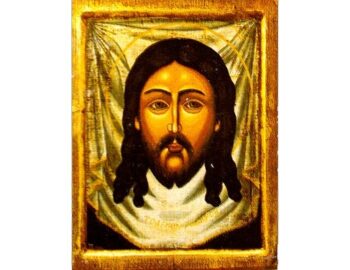
Pantokrator Icon of Christ: Icons of Christ Pantokrator () are prevalent on Mount Athos. Christ is depicted in a stern yet loving manner, holding a Gospel book and giving a blessing. The Pantokrator icon often adorns the domes of churches on Athos, symbolizing Christ's rule over the universe.
Athonite Saints: Many saints associated with Mount Athos, such as St. Athanasios of Athos (the founder of the Great Lavra Monastery), St. Gregory Palamas, and St. Silouan the Athonite, are frequently depicted in the iconographic tradition of Athos. These saints are shown with serene, contemplative expressions, reflecting their deep prayer life and commitment to monasticism.
Iconography on Mount Athos is not simply a craft but a spiritual discipline. Monastic iconographers approach their work as a form of prayer, and the process of creating an icon is considered a sacred act. The work is often accompanied by fasting, prayer, and a life of asceticism.
Prayerful Iconography: Many of the monks who paint icons on Athos are also involved in the Hesychast tradition, which emphasizes inner stillness and continuous prayer (the Jesus Prayer). This spiritual practice influences the style of the icons, which often convey an aura of serenity and divine presence.
Use of Natural Materials: Traditional techniques are strictly adhered to, including the use of natural pigments, egg tempera, and gilding. These materials are believed to enhance the spiritual quality of the icon, as they reflect the monks' connection to God's creation and the desire to offer the best materials for sacred purposes.
Choosing Hellenic Art for your Greek Orthodox icons ensures you receive authentic, handcrafted pieces that embody centuries of tradition and spiritual significance. Our artisans use age-old techniques to create icons that are both visually stunning and deeply meaningful. With a wide selection of in-stock items depicting Christ, the Theotokos, saints, and significant religious events, you can easily add your preferred icons to your cart and select the quantity you desire.
Don't miss the opportunity to own a piece of Greek heritage—place your order today and bring timeless artistry into your home. Visit our Greek art shop today!
No account yet?
Create an Account