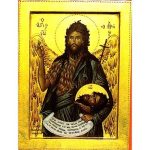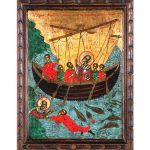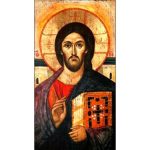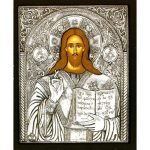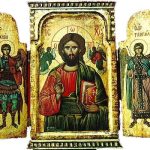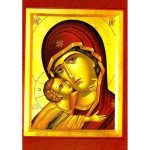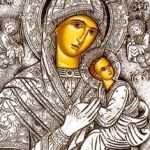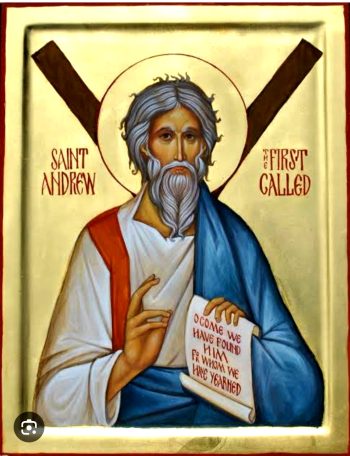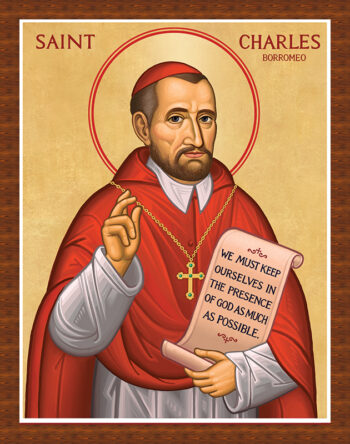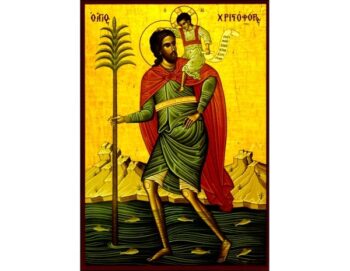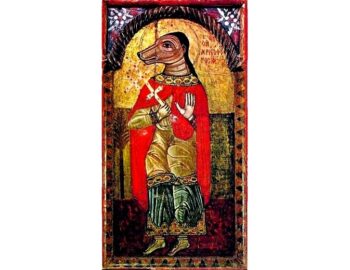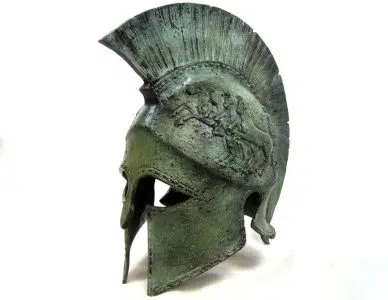


In Greek Orthodox iconography, orthodox saints icons are depicted in various ways that reflect their specific roles in the Church, their personal holiness, and the events of their lives. Each type of saint’s representation has unique theological and symbolic significance. Saints in Orthodox hagiography are seen as holy individuals who reflect Christ’s light and are honored as models of Christian virtue, witnesses of faith, and intercessors for the faithful.
Orthodox Saints icons are deeply revered in the Orthodox Christian tradition, depicting various saints who have played a significant role in the faith. These icons serve as visual representations of the saints’ lives, virtues, and spiritual guidance.
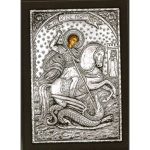
The categories often include apostles like apostles,Mary Magdalene, martyrs, who suffered for their faith, like Saint George; and holy fathers and mothers, including monastics and ascetics known for their wisdom and piety. There are also icons of hierarchs, such as St. Nicholas, and newer saints, canonized in more recent history. Each icon is not just a work of art but a window into the spiritual world, inviting the faithful to venerate and seek intercession from the saints.
Apostles
Meaning: The apostles were the original followers of Christ, commissioned by Him to spread the Gospel to all nations. Their icons emphasize their foundational role in the Church and their proximity to Christ.
Iconography: Apostles are often depicted in a group, such as in the Deesis (intercession) icon, flanking Christ or the Theotokos.
They may hold scrolls or books (representing the Gospel and their teaching authority).
Icons of individual apostles, like Peter or Paul, often show them holding specific attributes:
Theological Significance: Icons of apostles highlight the Church's apostolic foundation, its mission to evangelize the world, and the authority of apostolic teaching.
Meaning: The prophets of the Old Testament are revered for foretelling the coming of the Messiah and for calling God's people to repentance and righteousness.
Iconography: Prophets like St. Isaiah are often depicted holding scrolls with their prophecies written on them, emphasizing their role as messengers of God’s word.
They are portrayed in a contemplative or commanding posture, often gazing heavenward, symbolizing their connection with God.Icons of specific prophets, such as Isaiah, Daniel, or Elijah, may include visual references to their key prophetic visions or events: Elijah, for instance, may be shown with the fiery chariot from which he ascended to heaven (2 Kings 2:11).
Theological Significance: Prophets in Orthodox iconography point to Christ as the fulfillment of God's promises and emphasize the continuity of the Old and New Covenants.
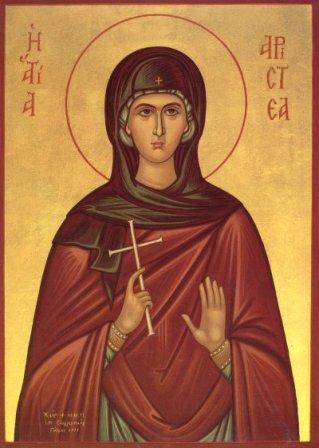
Meaning: Martyrs like Saint Aristotle are those who suffered death for their faith in Christ. They are depicted with a special dignity and honor in Orthodox iconography, as they are considered to have imitated Christ’s own sacrificial death.
Iconography:
Martyrs are typically shown holding a cross, the symbol of their martyrdom, victory over death, and unwavering faith.
Some martyrs are shown with the instruments of their torture or death.
For example:
They wear radiant garments, symbolizing their sanctity, and their halos reflect the divine glory bestowed upon them for their witness to Christ.
Theological Significance: Martyrs are seen as ultimate witnesses to Christ, as their death for the faith echoes Christ's own sacrifice. Their icons inspire the faithful to live courageously in their faith, even in the face of suffering.
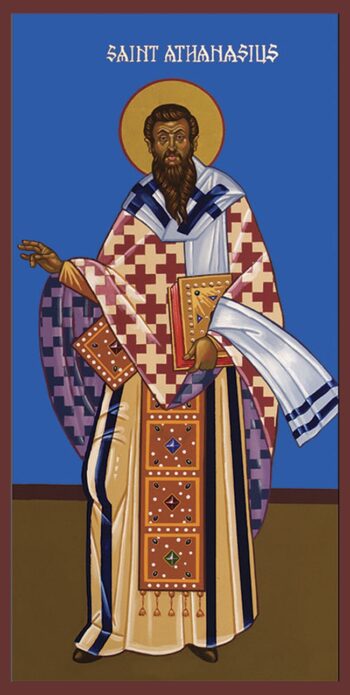
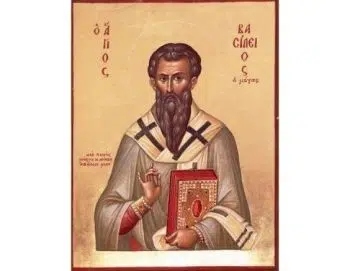
Meaning: Hierarchs (or bishops) like the three hierarchs are venerated for their role in leading and shepherding the Church. Many hierarchs were also theologians, and their icons emphasize their teaching authority and leadership.
Iconography: Hierarchs are typically depicted wearing episcopal vestments, such as the omophorion (a type of stole that signifies the bishop’s pastoral authority) and holding a Gospel book, signifying their role in proclaiming the Word of God.
Examples of major hierarchs include: Saint John Chrysostom, often shown with a book or scroll, symbolizing his eloquent preaching and teachings.
St. Basil the Great, usually depicted with a book or chalice, reflecting his contributions to the liturgy and theology.
Saint Nicholas of Myra is often portrayed with a bishop’s staff (crozier) and a book, reflecting his pastoral care and his defense of orthodoxy at the Council of Nicaea.
Hierarchs may also be shown holding scrolls with their theological writings or prayers, emphasizing their role in shaping the doctrinal and spiritual life of the Church.
Theological Significance: Icons of hierarchs underscore the apostolic succession, the unity of the Church, and the importance of sound teaching and leadership
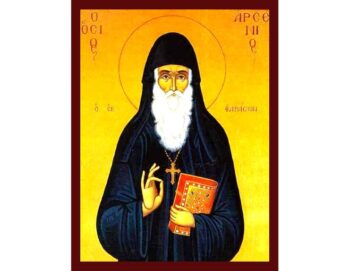
Meaning: Monastics, also known as Hosioi (holy ones), are saints who dedicated their lives to asceticism, prayer, and spiritual struggle. These saints are celebrated for their intense piety and pursuit of holiness through the monastic way of life.
Iconography: Monastics are typically depicted in simple monastic robes, symbolizing their renunciation of worldly goods and attachment.They may hold scrolls, representing their teachings on prayer, asceticism, or spiritual warfare. Many monastics authored important spiritual works, such as:
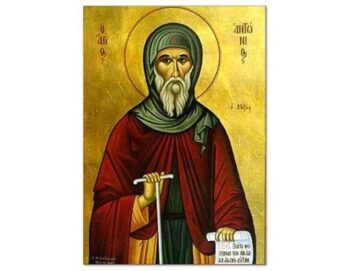
Saint Anthony the Great, considered the father of monasticism, is often shown holding a scroll or staff and wearing a long robe or cloak.
St. Seraphim of Sarov is often shown in a monk’s habit, emphasizing his deep prayer life and humility.
Some monastics are depicted holding a prayer rope (komboskini), which reflects their dedication to the Jesus Prayer.
In some icons, they are shown surrounded by nature, symbolizing their retreat into the wilderness or desert for spiritual solitude (e.g., St. Mary of Egypt is often depicted in the desert).Theological
Significance: Monastics represent the Church’s ideal of spiritual purity and self-denial. Their icons inspire the faithful to strive for holiness, prayer, and a closer union with God.
Fools-for-Christ were individuals who, out of a radical commitment to humility and self-denial, lived in a way that appeared irrational or foolish to others. They are revered for their spiritual insight and humility.
Iconography:These saints are often depicted in tattered or minimal clothing, symbolizing their voluntary poverty and rejection of worldly comforts.They are shown with a humble and sometimes wild appearance, signifying their disregard for human honor and glory. Saints like St. Xenia of St. Petersburg and St. Basil the Blessed of Moscow are often depicted barefoot or carrying simple objects like a staff or icon, reflecting their lifestyle of extreme humility.
Theological Significance: Fools-for-Christ embody the radical message of the Gospel, where worldly wisdom is turned upside down in favor of spiritual wisdom. Their icons challenge the viewer to reconsider societal norms and values, emphasizing humility, spiritual insight, and trust in God.
These saints embraced suffering, mockery, and poverty for the sake of Christ, echoing the Apostle Paul’s words: "We are fools for Christ’s sake" (1 Corinthians 4:10). Their icons symbolize a total devotion to God and rejection of the world’s temptations, serving as a reminder of the transformative power of faith.
Meaning: The Righteous are saints who lived holy and virtuous lives but were not necessarily martyrs, monastics, or hierarchs. They include figures from both the Old and New Testaments, as well as laypeople known for their piety and devotion.
Iconography: Righteous saints are often depicted in simple garments, signifying their humility and purity of heart.
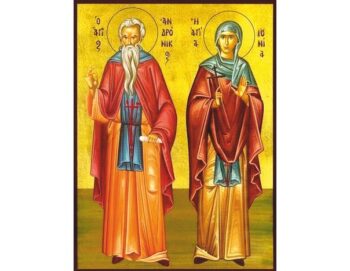
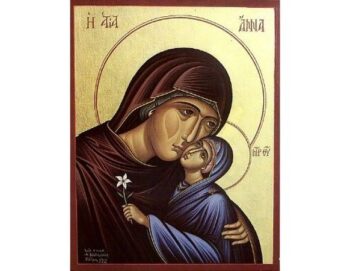
Many righteous saints are shown in family groups, such as the Righteous Ancestors of Christ (e.g., Saints Joachim and Anna, the parents of the Virgin Mary).
Some are shown holding a scroll or symbol of their particular vocation or virtue, such as the prophet Simeon holding the Christ Child, symbolizing his recognition of the Messiah.
The Holy Forefathers, such as Abraham, Isaac, and Jacob, are often depicted in a heavenly context, emphasizing their role in salvation history.
Theological Significance: Icons of the righteous highlight God’s call to holiness for all people, regardless of their station in life. These saints serve as models of faith, obedience, and trust in God's promises.
Meaning: Military saints are often depicted as soldiers who defended the Christian faith and sometimes died as martyrs. They are revered for their courage, strength, and unwavering faith in the face of persecution.
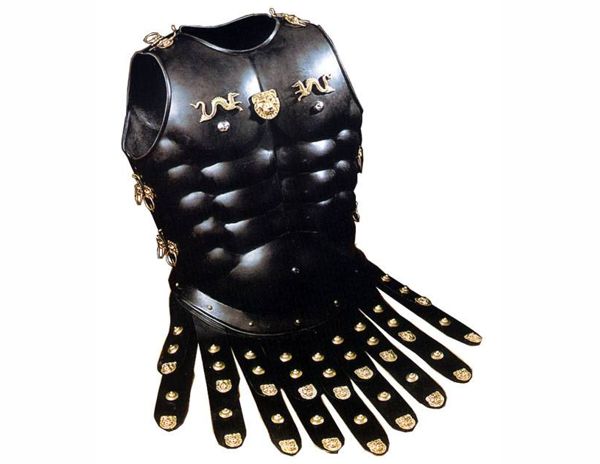
Iconography: Military saints are depicted in armor, often holding swords, spears, or shields, symbolizing their role as spiritual and physical protectors.
St. George and St. Demetrios are among the most well-known military saints. St. George is often shown slaying a dragon, symbolizing the triumph of good over evil, while St. Demetrios may be depicted on horseback or in combat.
Some icons show these saints alongside angels or with the instruments of their martyrdom, such as St. Theodore Stratelates holding a spear or St. Procopius with a cross.
Their armor often includes Christian symbols, such as the cross, representing their ultimate allegiance to Christ rather than earthly kingdoms.
Theological Significance: Military saints represent the spiritual warfare that all Christians are called to engage in, as described in Ephesians 6:10-18. Their icons inspire courage, faith, and the willingness to fight for righteousness, both physically and spiritually.
Choosing Hellenic Art for your Greek Orthodox icons like hose of Saint Raphael and Saint Nikephoros ensures you receive authentic, handcrafted pieces that embody centuries of tradition and spiritual significance. Our artisans use age-old techniques to create icons that are both visually stunning and deeply meaningful. With a wide selection of in-stock items depicting lord Jesus Christ, the mother of god, saints, and significant religious charachters and events like the holy spirit and depiction of miracles, you can easily add your preferred icons to your cart and select the quantity you desire.
Don't miss the opportunity to own a piece of Greek heritage—place your order today and bring timeless artistry into your home. Visit our Greek art shop today! s
No account yet?
Create an Account